What are you looking for?
Search

- Home
- Five Factors Driving Digital Wallets From Trial to Habit
Five Factors Driving Digital Wallets From Trial to Habit
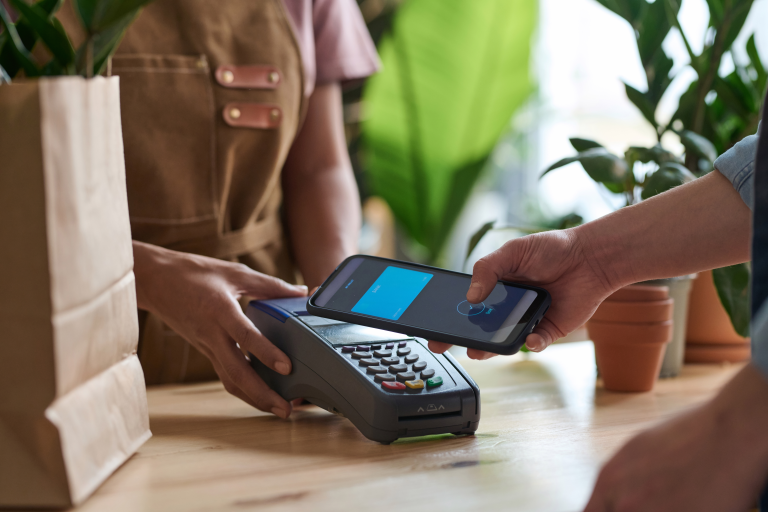
Millennials lead wallet use both in stores and online, while boomers — though the smallest group — are posting the fastest growth. Across all age brackets, curiosity, perceived safety and embedded incentives are converging to make digital wallets a mainstream habit rather than a novelty.
Mobile wallets are now close to overtaking cash for in-store payments: 11.8% of consumers used them for their last in-store transaction, versus 12.1% for cash. Adoption is spreading across income levels and generations as the value proposition — faster checkout, perceived security, automatic rewards and multiple funding choices — becomes clearer. The result is a digital-payments landscape moving decisively from experiment to everyday essential.
Convenience Sparks First-Time Use
More than any other motivator, convenience drives trial. Consumers across generations cite speed and ease as the main reason they first paid with a mobile wallet. Gen Z users in particular report adopting the technology because it was “the easiest or fastest option available,” highlighting how frictionless checkout is winning converts.
Security Builds Trust and Loyalty
Security perceptions keep users coming back. Baby boomers were especially motivated by the belief that mobile wallets are safer than physical cards, and many continue using them for that reason. The data shows that a sense of protection against loss or fraud has become central to ongoing wallet engagement.
Rewards and Discounts Boost Engagement
High-income households, those earning over $100,000, are the most likely to cite rewards and discounts as reasons for trying digital wallets. These users are drawn to programs that integrate loyalty benefits directly into payments, turning the wallet from a mere utility into a savings and rewards hub.
Prompts and Necessity Expand Access
Lower-income consumers, earning under $50,000, are often prompted by need or by their devices themselves. Many first used a wallet because they forgot their physical one or received a smartphone notification suggesting it. These organic triggers are widening adoption among demographics historically slower to adopt new payment tech.
Digital Cash Balances Redefine Funding
Between 2023 and 2025, the share of consumers funding in-store wallet purchases with stored digital balances nearly quadrupled, from 1% to 3.7%. While debit cards remain the top underlying method, this rise shows wallets becoming mini-accounts of their own, enabling direct spending without a card present.